Training Courses
Professional training courses to advance your career and skills.
Browse by Category
Commercial Catering
Commercial catering equipment installation and maintenance training
Electrical
Electrical installation, testing, and inspection courses for electricians and engineers
F-Gas & Air Conditioning
F-Gas handling and air conditioning installation courses with industry certification
Gas Safe
Gas Safe registered training courses covering installation, maintenance, and safety of gas appliances and systems
Heat Pump
Heat pump installation and maintenance training for renewable heating systems
LPG
LPG (Liquefied Petroleum Gas) training for installation and maintenance of LPG systems
Manual Handling
Manual handling training to reduce workplace injuries and improve safety
OFTEC
OFTEC registered oil-fired heating training courses for technicians and installers
Water Systems
Water systems, plumbing, and unvented hot water cylinder training courses
35 courses found
Gas Safe ACS Foundation
Gas Safe0Essential Gas Safe training covering core safety principles, gas law, and combustion analysis for domestic installations.
OFTEC Oil Burner Service & Maintenance
OFTEC0OFTEC approved course covering oil burner servicing, fault diagnosis, and installation of oil-fired heating systems.
OFT15-108
OFTEC0Join OFT15-108 at Specialist Gas Assessment Services in Blackpool. This 8 hours Oftec course covering oil-fired heating systems, burner servicing, and OFTEC compliance requirements. Class sizes limited to 12 students for personalized, hands-on learning. £540 per person. Book your place today and advance your professional qualifications.
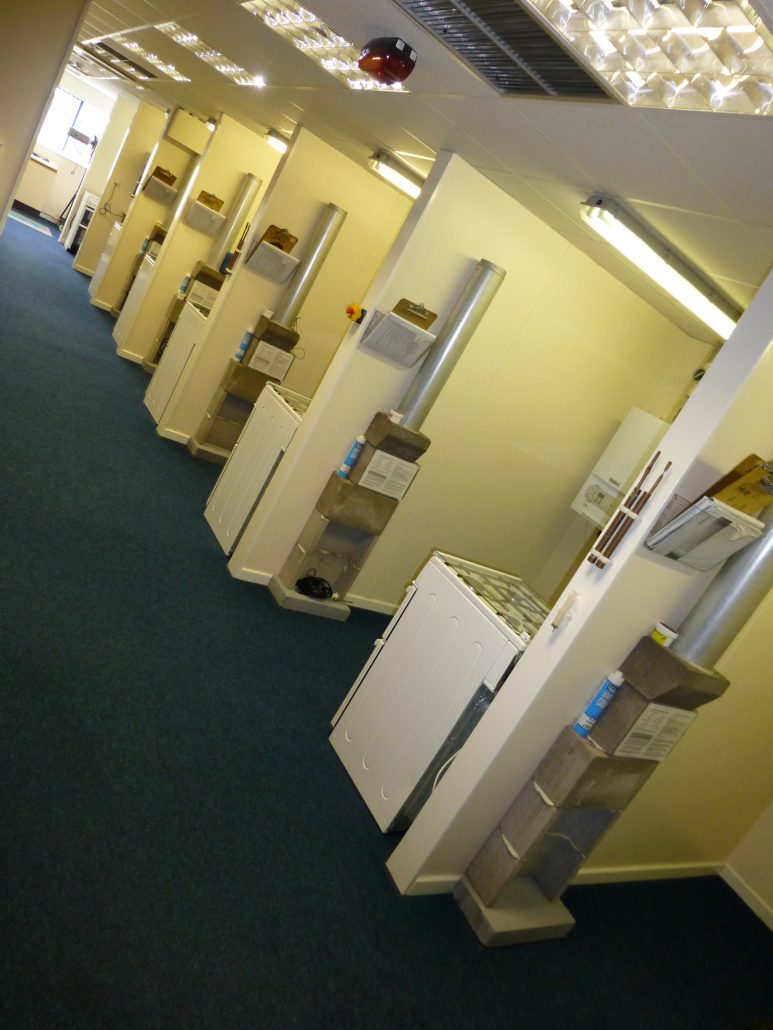
CCN1 - Core Gas Safety
Gas Safe0Core domestic gas safety training. Essential foundation for all gas engineers. Covers gas safety procedures, tightness testing, and combustion analysis.
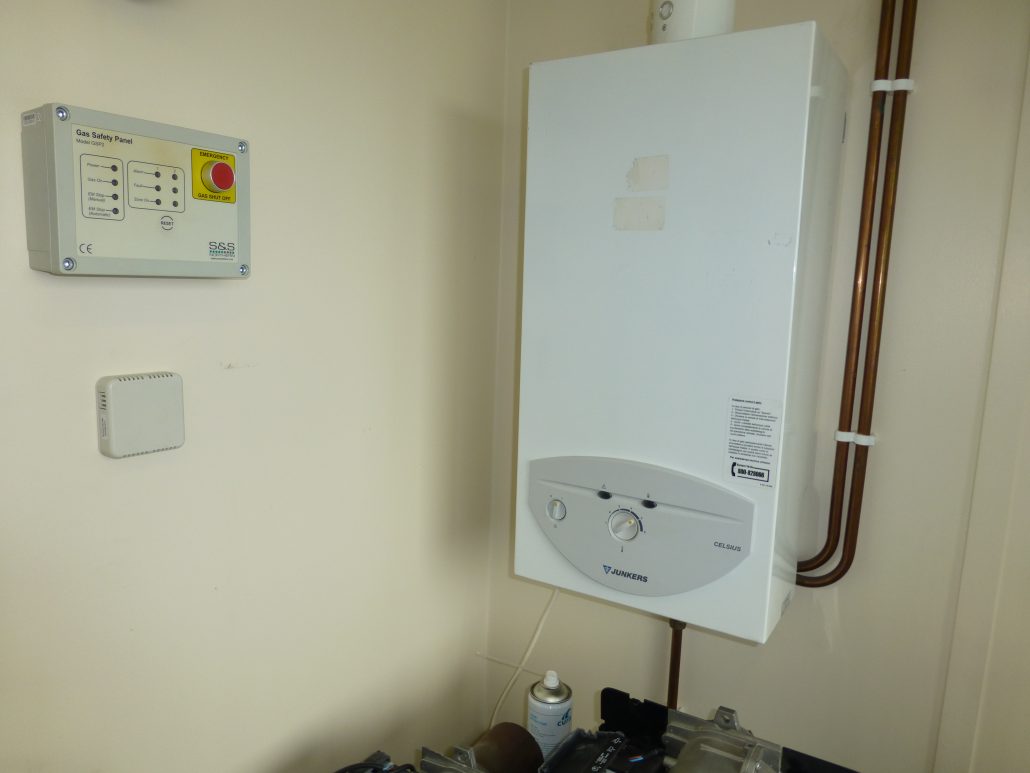
CENWAT - Central Heating & Hot Water
Gas Safe0Installation, commissioning, servicing and fault finding of central heating systems and hot water boilers.
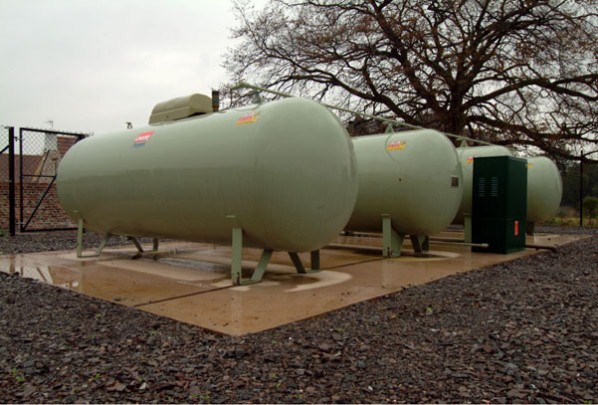
LAV - LPG Leisure Vehicles
LPG0Installation and servicing of LPG systems in caravans, motorhomes and boats.
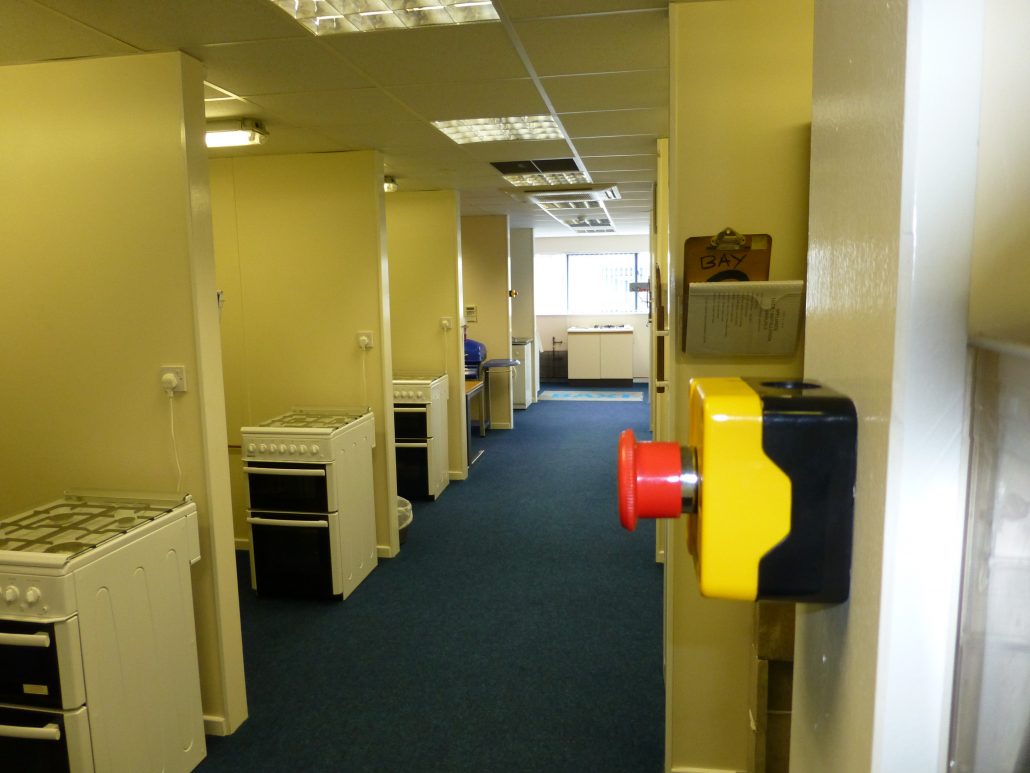
CPA1 - Commercial Catering Gas
Commercial Catering0Installation and maintenance of commercial catering gas appliances.
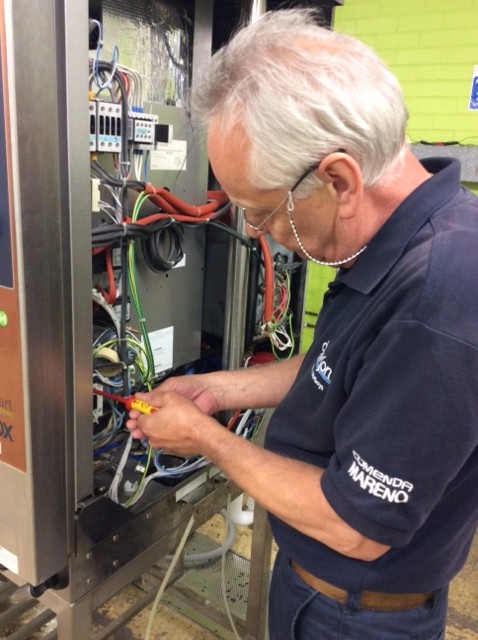
City & Guilds 2382-22: 18th Edition Wiring Regulations
Electrical0Level 3 Award in Requirements for Electrical Installations BS7671:2018+A2:2022 This qualification addresses the BS 7671:2018 Requirements for Electrical Installations (A2:2022 from 28 September 2022). The program ensures participants become conversant with the format, content and application of current electrical standards. KEY CONTENT AREAS: • Scope, objectives, and fundamental principles of BS 7671:2018+A2:2022 • Definitions and general characteristics assessment • Protection requirements for electrical safety • Equipment selection and installation • Inspection and testing protocols • Special installations or locations • Appendix requirements ASSESSMENT METHOD: Open-book, multiple-choice online examination. Participants may reference the IET Wiring Regulations BS 7671 – 18th Edition during testing. WHAT'S INCLUDED: Industry-current course materials, tutored instruction, and recognized certification upon completion. PREREQUISITES: Suitable for anyone seeking understanding of IET 18th Edition Wiring Regulations.
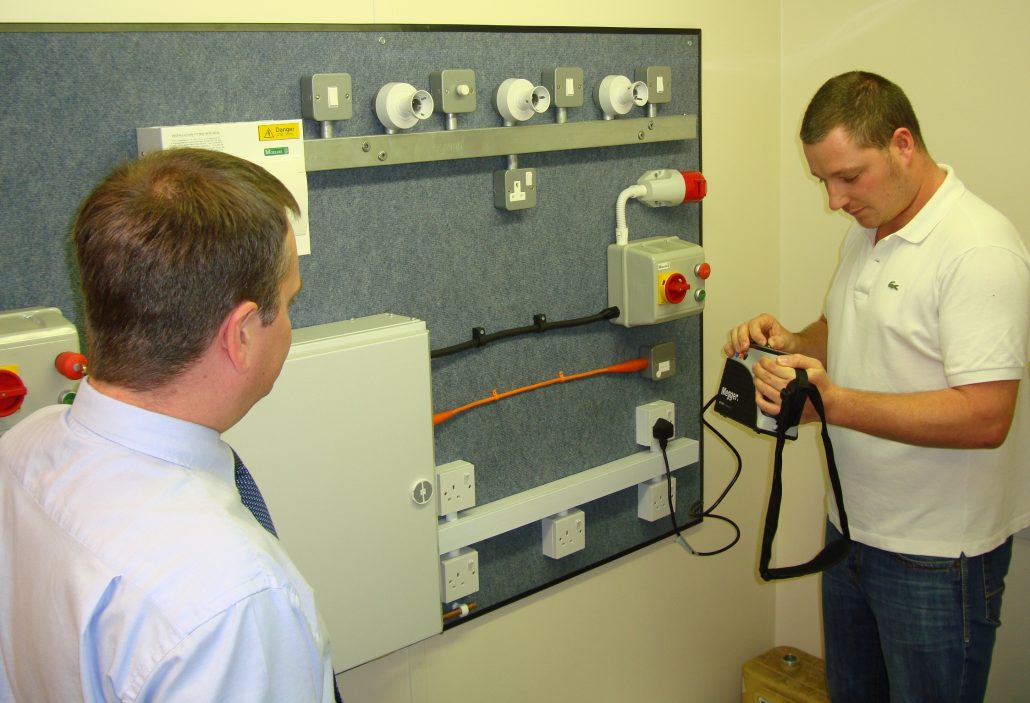
Inspection & Testing (2391-52)
Electrical0Initial verification and periodic inspection & testing of electrical installations.
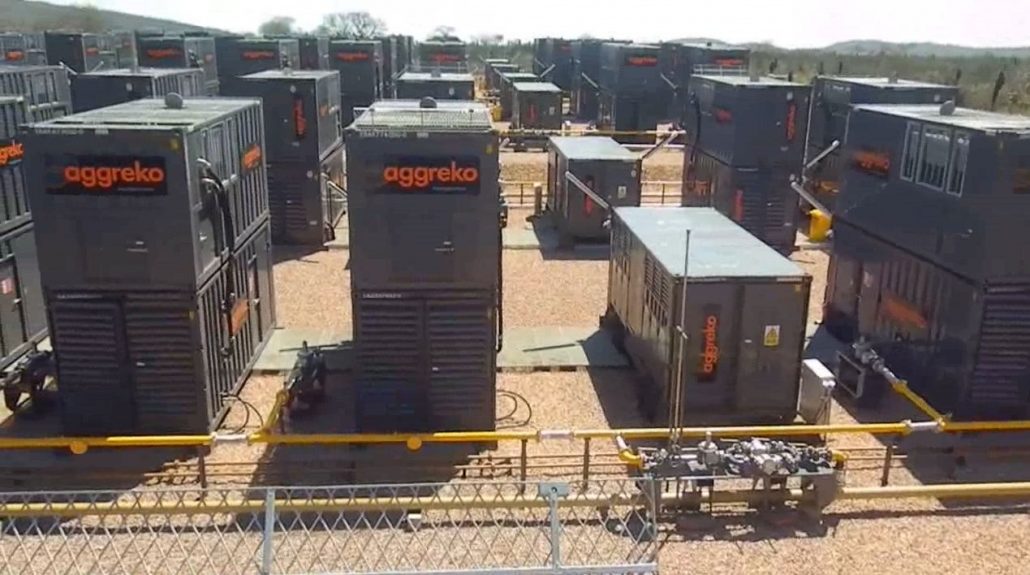
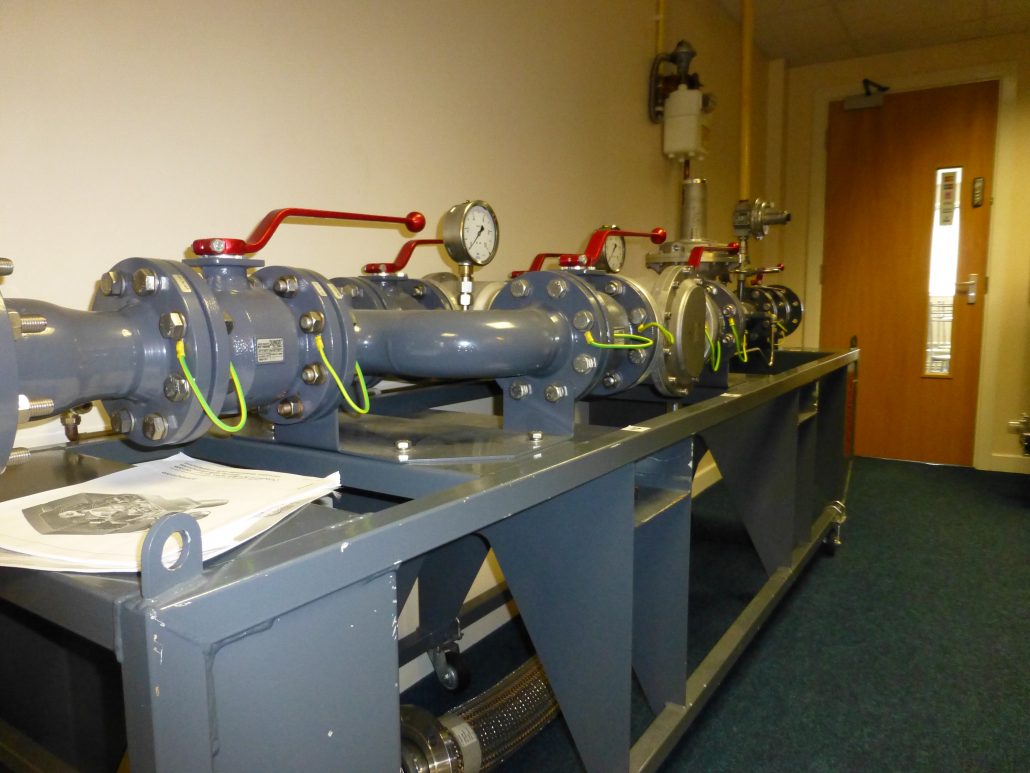
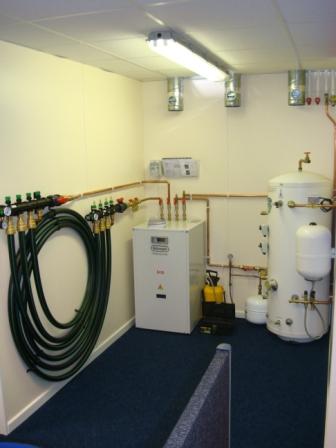
Heat Pump Installation (MCS)
Heat Pump0Air and ground source heat pump installation to MCS standards.
F-Gas Category 1 - Full
F-Gas & Air Conditioning0F-Gas certification for all refrigeration and air conditioning equipment.
Commercial Catering Gas Appliances
Commercial Catering0Join Commercial Catering Gas Appliances at Specialist Gas Assessment Services in Blackpool. This 20 hours Commercial Catering course covering commercial catering equipment installation, maintenance, and safety. Class sizes limited to 10 students for personalized, hands-on learning. £595 per person. Book your place today and advance your professional qualifications.
LCL Level 3 Award in the Installation and Maintenance of Air Source Heat Pumps
Heat Pump0This LCL Level 3 qualification trains learners in installing and maintaining air source heat pump systems, specifically non-refrigerant circuits. The training is essential for operatives seeking Microgeneration Certification Scheme (MCS) registration. WHAT YOU'LL LEARN: Core Unit (LCL-R3035): • Heat pump principles and vapor compression systems • Operational characteristics and efficiency fundamentals • Hot water cylinder design and hydraulic systems • Control systems and installation planning • Testing, commissioning, and handover procedures • Maintenance and fault diagnosis Air Source Unit (LCL-R3036): • Preparatory work and installation requirements • Hydraulic emitter circuit installation • Unit installation (non-refrigeration) • Testing and commissioning procedures • Routine service maintenance PREREQUISITES: Candidates must hold current Level 2/3 qualifications in: • Plumbing • Heating and Ventilating (domestic, industrial, or commercial) • Oil-Fired Technical Services • Gas Installation and Maintenance Alternatively, three years' experience in heating installation with Gas Safe, OFTEC, MCS, or HETAS registration qualifies applicants. Current WRAS Water Regulations certification is also required if not included in existing credentials. ACCREDITATION: This is a QCF regulated qualification awarded by LCL Awards, providing industry-recognized certification for air source heat pump installation and maintenance.
OFT10-105E - Installation of Oil Fired Combustion Appliances
OFTEC0This OFTEC qualification is designed for technicians seeking to install oil-fired appliances including boilers and AGAs. This comprehensive 2-day training and assessment course covers all essential aspects of oil-fired appliance installation. Areas Covered: • Health and safety in oil-fired installations • Fire valve installation and safety procedures • Regional legislation and regulatory requirements • Safe electrical isolation procedures • Knowledge of oil storage and supply systems • Oil-fired appliance installation techniques • Heating systems and controls • Energy efficiency and optimization Assessment Methods: The course includes comprehensive assessment through multiple choice questions, short written responses, scenario-based questions, and observed practical assessments to ensure competence in all areas. Prerequisites: Initial assessment candidates must meet OFTEC entry requirements for category 1, 2, and 3 entrants, potentially requiring the OFT50 certificate. Re-assessment candidates must have previously held the element; expired qualifications (within 12 months) require initial reassessment. Certification: Upon successful completion, candidates receive the OFT10-105E certificate, valid for 5 years. This is a Level 3 equivalent qualification accredited by OFTEC (Oil Firing Technical Association). Course Format: 2 days - includes both training and assessment to ensure thorough understanding and practical competence in oil-fired appliance installation.
OFT10-101 - Commissioning, Servicing & Fault Finding (Pressure Jet Burners)
OFTEC0This OFTEC qualification covers commissioning, servicing, and fault finding for domestic and light commercial oil-fired appliances up to 45kW using pressure jet burners. Areas Covered: • Health and safety in oil-fired appliance servicing • Commissioning procedures for pressure jet burners • Routine servicing and maintenance • Fault diagnosis and troubleshooting • Burner adjustments and optimization • Safety testing and compliance • Regional legislation and requirements • Energy efficiency optimization Assessment: Comprehensive assessment through multiple choice questions, short written responses, scenario-based questions, and observed practical assessments. Prerequisites: Initial candidates must meet OFTEC entry requirements for category 1, 2, and 3 entrants, potentially requiring the OFT50 certificate. Re-assessment candidates must have previously held the element. Certification: Upon successful completion, candidates receive the OFT10-101 certificate, valid for 5 years. This is accredited by OFTEC (Oil Firing Technical Association).
OFT10-102 - Commissioning, Servicing & Fault Finding (Vaporising Burners)
OFTEC0This OFTEC qualification covers commissioning, servicing, and fault finding for domestic and light commercial oil-fired appliances using vaporising burners. Areas Covered: • Health and safety in vaporising burner systems • Commissioning procedures for vaporising burners • Routine servicing and maintenance techniques • Fault diagnosis and repair procedures • Burner adjustments and performance tuning • Safety testing and compliance checks • Understanding vaporising burner technology • Energy efficiency and optimization Assessment: Comprehensive assessment through multiple choice questions, short written responses, scenario-based questions, and observed practical assessments. Prerequisites: Initial candidates must meet OFTEC entry requirements for category 1, 2, and 3 entrants, potentially requiring the OFT50 certificate. Re-assessment candidates must have previously held the element. Certification: Upon successful completion, candidates receive the OFT10-102 certificate, valid for 5 years. This is accredited by OFTEC (Oil Firing Technical Association).
OFT10-600A - Domestic Oil Storage Tank Installation
OFTEC0This OFTEC qualification covers the installation of domestic and light commercial oil storage tanks and associated equipment. Areas Covered: • Health and safety in tank installation • Fire valve installation and positioning • Regional legislation and regulatory requirements • Safe electrical isolation procedures • Oil storage and supply system design • Tank siting and base preparation • Pipework installation and connections • Environmental considerations and bunding • Compliance testing and commissioning Assessment: Comprehensive assessment through multiple choice questions, short written responses, scenario-based questions, and observed practical assessments. Prerequisites: Initial candidates must meet OFTEC entry requirements for category 1, 2, and 3 entrants, potentially requiring the OFT50 certificate. Re-assessment candidates must have previously held the element. Certification: Upon successful completion, candidates receive the OFT10-600A certificate, valid for 5 years. This is accredited by OFTEC (Oil Firing Technical Association).
OFT10-201 - Commercial Commissioning, Servicing & Fault Finding (≥45kW)
OFTEC0This OFTEC qualification covers commissioning, servicing, and fault finding for commercial oil-fired appliances over 45kW and 2-stage burners. Areas Covered: • Health and safety in commercial oil installations • Commissioning procedures for large commercial burners • Advanced servicing and maintenance techniques • Complex fault diagnosis and troubleshooting • 2-stage burner systems and controls • Commercial heating system optimization • Advanced safety testing and compliance • Regional legislation for commercial installations • Energy efficiency in commercial applications Assessment: Comprehensive assessment through multiple choice questions, short written responses, scenario-based questions, and observed practical assessments on commercial equipment. Prerequisites: Initial candidates must meet OFTEC entry requirements for category 1, 2, and 3 entrants, potentially requiring the OFT50 certificate. Re-assessment candidates must have previously held the element. Certification: Upon successful completion, candidates receive the OFT10-201 certificate, valid for 5 years. This is accredited by OFTEC (Oil Firing Technical Association).
Hot Water Systems & Safety (inc. Unvented Hot Water)
Water Systems0HWSS Qualification - Unvented Hot Water Systems up to 500 litres This qualification targets experienced plumbing and heating professionals requiring certification in domestic hot water system installation, servicing, and maintenance. The course ensures compliance with Approved Document G (ADG) 2010 when carrying out work on hot water systems and covers G3 Unvented Hot Water Systems up to 500 litres capacity and 45kW power input. QUALIFICATION DETAILS: • Course Code: HWSS (initial or re-assessment) • Qualification Validity: 5 years • Satisfies Competent Person Schemes (CPS) requirements under ADG • Required by the Microgeneration Certification Scheme (MCS) for solar thermal hot water system installers COURSE CONTENT: • Regulations, standards, and industry guidelines • Hot water expansion theory and storage principles • Design considerations and component functions • Safety controls, discharge systems, and integration • Installation and maintenance procedures (including unvented systems) • Health and safety considerations RECOGNITION: The certificate satisfies Competent Person Schemes (CPS) requirements under ADG, enabling self-certification of hot water installations. It's also required by the Microgeneration Certification Scheme (MCS) for solar thermal hot water system installers. PREREQUISITES: • Demonstrated experience with domestic cold and hot water systems • One DCLG-recognised competency in conventional fuel (gas, oil, solid fuel) OR NVQ Level 2 plumbing qualification • Familiarity with Part G Building Document recommended • Basic WRAS Water Regulations knowledge desirable ASSESSMENT METHOD: Mixed approach including multiple choice questions, short written responses, scenario-based questions, and observed practical tasks. Re-assessment routes available for renewals.
WRAS Water Regulations Certificate
Water Systems0Water Regulations Advisory Scheme (WRAS) Certification This training covers the Water Regulations (1999) and serves as a necessary qualification for plumbers (minimum Level 2) seeking to join their local water authority's Water Industry Approved Plumber Scheme, which is recognized as a competent person scheme (CPS) and Microgeneration Certification Scheme (MCS) registration body. QUALIFICATION DETAILS: • Accrediting Body: WRAS (Water Regulations Advisory Scheme) • Qualification Validity: No expiry • Recognized by Competent Person Schemes (CPS) • Required for Water Industry Approved Plumber Scheme • MCS registration body recognition COURSE CONTENT: Training and assessment cover: • Interpretation and definitions of Water Regulations • Materials and substances used in plumbing systems • Requirements, design and installation standards • Backflow and contamination prevention • Hot and cold water services • Flushing devices • Sanitary appliances (internal and external) WHAT'S INCLUDED: • Comprehensive guide and workbook • Industry-current course notes and training manuals • Structured tutored support • Recognized examination leading to certification PREREQUISITES: Candidates should ideally have two years of plumbing experience. ASSESSMENT METHOD: Multiple choice examination paper following course completion. This qualification is essential for professional plumbers working on water systems and seeking to demonstrate compliance with water regulations.
Legionella Prevention and Water Treatment (Operators and Managers)
Water Systems0LPWT Certification - Comply with HSE ACoP L8 Guidance This course helps professionals comply with HSE guidance in the Approved Code of Practice (ACoP) L8. It covers legal duties including identifying risk sources, developing prevention schemes, implementing controls, and maintaining records. TWO VERSIONS AVAILABLE: 1. For plumbers/operators working on water supply systems 2. For supervisors/managers responsible for water system management QUALIFICATION DETAILS: • Course Code: LPWT • Certification Validity: 5 years • Complies with HSE Approved Code of Practice (ACoP) L8 • Covers legal duties and regulatory obligations COURSE CONTENT: Learners receive instruction on: • The background to Legionnaires Disease and bacterial characteristics • Multiplication and transmission methods • Legal compliance and regulatory obligations • Risk assessment and control strategies • Treatment methods, prevention, and disinfection techniques • Record-keeping requirements PRACTICAL TRAINING (Operators/Plumbers): The plumber/operator version includes practical training in disinfecting domestic water systems using chlorine, bleach, and silver hydrogen peroxide. PREREQUISITES: Plumbers/Operators: • Must hold N/SVQ or equivalent plumbing qualification • Possess minimum 2 years plumbing experience • Hold valid WRAS Water Regulations certificate Supervisors/Managers: • No formal qualification required • Should understand water systems and current legislation ASSESSMENT METHOD: Written multiple-choice examination based on ACoP L8. Plumbers and operators must additionally complete practical assessment involving domestic water system cleaning and disinfection. WHAT'S INCLUDED: • Industry-current course notes and training manuals • Structured tutored support • Recognized examination leading to certification
Underfloor Heating Installation & Design
Heat Pump0LCUFH Certification - Domestic Underfloor Heating Systems This domestic underfloor heating (UFH) program targets plumbers and heating engineers seeking competency in designing and installing UFH systems. The training covers theoretical knowledge and practical application within residential heating contexts. QUALIFICATION DETAILS: • Course Code: LCUFH • Accrediting Body: Logic Certification • Recognized by: Underfloor Heating Manufacturers Association • Certification Validity: 5 years • Pricing: Contact us for current pricing COURSE CONTENT: Training encompasses eight key areas: • Regulations and standards • Foundational concepts and terminology • Operating principles and applicable uses • Design factors and circuit sizing • Site readiness, equipment, and instruments • Installation techniques • System layout and design methodology • System startup and client handover PREREQUISITES: Candidates must demonstrate: • Minimum two years' plumbing experience OR NVQ/SNVQ Level 2 qualification • Prior knowledge in heat loss calculations and heating system hydraulics ASSESSMENT METHOD: Evaluation combines practical demonstration, design scenario exercises, and multiple-choice testing. WHAT'S INCLUDED: • Industry-current course notes and training manuals • Structured tutored support • Recognized examination leading to certification • Practical hands-on training
Gas Approved Prior Learning & New Entrants Training Programme
Gas Safe0Logic Certification APL Programme - Your Route to Gas Safe Registration The Logic Certification Approved Prior Learning Programme (APL) is a comprehensive training programme designed to meet the requirements of the Nationally Accredited Certification Scheme (ACS). This program combines center-based training with supervised on-the-job work experience under a registered gas installer mentor, serving as an entry route for individuals pursuing Gas Safe Registration. TARGET AUDIENCES: This course accommodates two distinct groups: • New Entrants: Those with minimal or no gas work experience • Existing Operatives: Those with at least 2 years heating/gas industry experience AVAILABLE SPECIALIZATIONS: • Domestic Natural Gas and Appliances (DNGA1) • Core Natural Gas & Central Heating (DNGA3) PROGRAMME STRUCTURE: The programme combines: • Center-based theoretical and practical training • Supervised on-the-job work experience • Mentoring from a registered gas installer • Professional assessment and examination ACCREDITATION: • Logic Certification • Gas Safe Register recognized • ACS (Nationally Accredited Certification Scheme) compliant WHAT'S INCLUDED: • Industry-current course notes and training manuals • Structured tutored support • Professional training center with modern facilities and equipment • Knowledgeable instructors with practical industry background • Recognized examination leading to Gas Safe certification • Over 20 years of training experience OUTCOMES: Upon successful completion, participants will be eligible for Gas Safe Registration and qualified to work on domestic gas installations and appliances. IMPORTANT NOTE: This is a comprehensive training programme. Duration and specific requirements vary based on your experience level and chosen specialization. Contact us for detailed programme information and personalized guidance.
EAL Level 3 Award - EV Charging Point Installation
Electrical0Industry-recognised EAL Level 3 qualification for qualified electricians. Learn to safely install, test, and commission electric vehicle charging points for domestic and commercial applications. ## Course Overview This EAL Level 3 Award in the Requirements for the Installation of Electric Vehicle Charging Points is designed for qualified electricians seeking to expand into the rapidly growing EV infrastructure sector. With the UK government's commitment to phase out petrol and diesel vehicles, the demand for qualified EV charging installers has never been higher. This course provides you with the knowledge and practical skills to capitalise on this booming market. ## What You'll Learn ### EV Charging Equipment & Standards - Types, modes, and applications of EV charging systems (Mode 1-4) - Charging equipment requirements and specifications - Understanding charge point ratings and capabilities - Tethered vs untethered charging solutions ### System Design & Installation - Supply configurations and cable sizing - Earthing and bonding requirements for EV installations - Load balancing and power management systems - Positioning and mounting of charge points - Cable management and routing best practices - Integration with existing electrical installations ### Testing & Certification - Inspection and testing procedures specific to EV installations - Certification requirements and documentation - Using specialist EV testing equipment - Compliance with BS 7671 and IET Code of Practice - DNO notifications and G99 requirements ### Commissioning & Safety - Safe commissioning procedures - Customer handover and demonstration - WiFi/App connectivity setup - Financial incentives and government schemes - Ongoing maintenance requirements ## Course Structure **Duration:** 2 days (delivered over two consecutive weeks, one day per week) **Times:** 9:00 AM - 4:00 PM each day **Delivery:** Classroom theory and hands-on practical training ### Day 1 - Theory & Regulations - EV market overview and industry standards - Types and modes of EV charging - Electrical requirements and regulations - System design and planning - Risk assessment and safe working practices ### Day 2 - Practical Installation - Hands-on installation of EV charging units - Testing and certification procedures - Commissioning and configuration - Fault finding and troubleshooting - Customer demonstration techniques ## Assessment - Multiple-choice online examination - Prompt results (subject to verification) - Practical competence assessment during training ## Who Should Attend This course is ideal for: - Qualified electricians looking to enter the EV installation market - Electrical contractors expanding their service offering - Facilities maintenance engineers - Self-employed electricians seeking new revenue streams ## Entry Requirements To enrol on this course, you must: - Be at least 18 years old - Hold a relevant Level 3 electrical qualification (NVQ Diploma in Electrotechnical Services, EAL Level 3 Building Services Engineering, or equivalent) - Possess an approved electrician card (ECS Gold, JIB Electrician, or Approved Electrician) - Have proven electrical installation experience ## Certification Upon successful completion, you will receive: - **EAL Level 3 Award Certificate** - Industry-recognised qualification - **5 years validity** with reassessment reminders - **CPD certified training** points - Eligibility for EV installer registers ## What's Included - All course materials and resources - EAL registration and examination fees - Hands-on practical training with industry-standard equipment - Refreshments and lunch on both days - Access to online learning resources - Post-course technical support - Certificate and digital badge ## Career Progression This qualification opens doors to: - Specialising in EV charging infrastructure - Domestic and commercial EV installation projects - Supervisory roles in electrical contracting - Management positions in renewable energy sector - Business opportunities in the growing EV market ## Why Train With SGAS? ✅ **Competitive Pricing** - £445 (inc. VAT) vs competitors at £554+ ✅ **Experienced Instructors** - Gas Safe and electrical industry experts ✅ **Modern Facilities** - Purpose-built training centre in Blackpool ✅ **Small Class Sizes** - Maximum 8 students for personalised attention ✅ **Industry Recognition** - EAL approved training provider ✅ **Flexible Scheduling** - Course spread over two weeks to minimise time away from work ## Market Opportunity The UK EV market is experiencing exponential growth: - Over 1 million EVs on UK roads (and growing rapidly) - Government targets: All new cars to be electric by 2030 - £1.3 billion government investment in charging infrastructure - Average EV charger installation: £800-£1,200 - High demand, limited qualified installers **Start capitalising on this lucrative market today!**
COCN1 - Commercial Gas Heating Safety
Gas Safe0Expand your gas engineering career into the commercial sector. This comprehensive COCN1 course provides experienced gas operatives with the skills and certification needed for commercial and industrial heating installations. ## Course Overview This Commercial Gas Heating Safety course is designed for qualified domestic gas engineers looking to transition into the lucrative commercial heating sector. With commercial gas work commanding premium rates and high demand across industrial estates, hotels, schools, and commercial properties, this qualification is essential for career advancement. ## What You'll Learn ### Core Commercial Gas Safety (COCN1) - Commercial pipework installation requirements and regulations - Natural and LPG gas systems in commercial environments - Ventilation systems for commercial applications - Gas flow calculations and system sizing - Emergency procedures and isolation - Tightness testing on large commercial systems - Purging and re-commissioning procedures - Commercial gas meter installations ### Commercial Heating Systems - Forced draught burners and control systems - Radiant tube and plaque heaters - Warm air heating systems - Commercial boiler installations - Appliance and pipework controls - Zone control and building management systems - Load compensation and weather compensation ### Advanced Technical Skills - Combustion analysis on commercial appliances - Flue analysis and performance testing - Fault finding on complex commercial systems - Commissioning large commercial installations - Service and repair of commercial heating equipment - Documentation and certification for commercial work ### Safety & Compliance - Gas Safety (Installation & Use) Regulations for commercial premises - HSE guidelines for commercial gas work - Risk assessments for commercial installations - Safe isolation procedures for large systems - Working at height and confined spaces awareness - Landlord responsibilities for commercial properties ## Course Structure **Duration:** 2 days intensive training and assessment **Times:** 8:30 AM - 5:00 PM each day **Delivery:** Classroom theory, hands-on practical training, and formal assessment ### Day 1 - Theory & Commercial Systems - Commercial gas regulations and standards - System design and calculations - Pipework sizing and installation - Ventilation requirements - Forced draught burner principles - Risk assessments and safe working ### Day 2 - Practical Skills & Assessment - Hands-on installation and commissioning - Combustion analysis procedures - Fault diagnosis and repair - Tightness testing on commercial systems - Practical assessment on commercial equipment - Theory examination ## Assessment - Practical hands-on assessment on commercial heating systems - Written multiple-choice examination - Combustion analysis competency test - Results typically available within 5 working days ## Who Should Attend This course is essential for: - CCN1 qualified domestic gas engineers - ACS qualified operatives wanting commercial work - Heating engineers transitioning to commercial sector - Facilities maintenance engineers - Self-employed gas engineers seeking higher-value work ## Entry Requirements **Mandatory Prerequisites:** - Current valid CCN1 (Core Domestic Gas Safety) qualification - Current valid CENWAT (Central Heating & Hot Water) or equivalent - Minimum 2 years proven domestic gas engineering experience - ACS card must be in date **Required Documents:** - Proof of current ACS qualifications - Gas Safe registration number - Photo ID - Evidence of practical experience ## Certification Upon successful completion, you will receive: - **COCN1 Certificate** - Core Commercial Gas Safety - **5 years validity** from date of issue - Registered on Gas Safe Register for commercial work - Enables you to undertake commercial heating installations - Prerequisite for appliance-specific commercial qualifications - Automatic reassessment reminders at 6, 3, and 1 months before expiry ## Career Progression This qualification enables: - Registration for commercial gas work on Gas Safe Register - Access to higher-paid commercial contracts - Progression to specialist commercial appliance qualifications: - CIGA1 (Indirect Fired Gas Appliances) - CDGA1 (Direct Fired Gas Appliances) - CORT1 (Radiant Tube & Plaque Heaters) - Opportunities in industrial and commercial facilities management - Self-employment in commercial gas sector ## What's Included - Comprehensive COCN1 training manual - All assessment and registration fees - Use of commercial heating equipment during training - Combustion analysis equipment and tools - Theory and practical examination - Refreshments and lunch on both days - Post-course technical support - Certificate and ACS card application ## Why Train With SGAS? ✅ **Competitive Pricing** - £495 (inc. VAT) vs competitors at £649+ ✅ **Expert Instructors** - Gas Safe registered engineers with 20+ years commercial experience ✅ **Modern Training Facilities** - Purpose-built commercial gas training centre in Blackpool ✅ **High Pass Rates** - 98% first-time pass rate ✅ **Small Groups** - Maximum 6 students per course for hands-on attention ✅ **Real Equipment** - Train on actual commercial heating systems ✅ **Flexible Scheduling** - Regular course dates throughout the year ✅ **Reassessment Support** - Automatic reminders and discounted reassessment rates ## Market Opportunity Commercial gas work offers significant advantages: - **Higher Earning Potential** - Commercial rates typically 50-100% higher than domestic - **Larger Projects** - Multi-day installations and service contracts - **Regular Contracts** - Annual service agreements with commercial clients - **Less Competition** - Fewer qualified commercial gas engineers - **Job Security** - Every commercial property requires certified engineers - **Business Growth** - Expand your services and client base **Average commercial heating installation: £3,000-£15,000 vs domestic £2,000-£3,000** ## Reassessment Information - Valid for 5 years from date of issue - Reassessment required every 5 years to maintain Gas Safe registration - Reassessment typically 1 day instead of 2 - Automatic reminder emails at 6, 3, and 1 month before expiry - Discounted reassessment rate: £425 (inc. VAT) ## Additional Information **Health & Safety:** - Full risk assessment conducted before all practical sessions - PPE provided during training - First aid trained staff on site - Emergency procedures briefing **Special Requirements:** If you have any special requirements or accessibility needs, please inform us at the time of booking so we can make appropriate arrangements. ## Book Your Place **Investment:** £495 (inc. VAT) **Reassessment:** £425 (inc. VAT) Take the next step in your gas engineering career. Commercial gas qualifications open doors to higher-paid work, more diverse projects, and greater job security. **Limited to 6 students per course - Book early to secure your place!**
City & Guilds 2396 - Design & Verification of Electrical Installations
Electrical0Progress to electrical design and specification with this prestigious Level 4 qualification. Perfect for experienced electricians and supervisors looking to advance into design roles commanding higher salaries and greater responsibility. ## Course Overview The City & Guilds 2396 Level 4 Award in the Design and Verification of Electrical Installations is a highly regarded qualification for experienced electricians seeking to move into design, project management, and specification roles. This advanced course provides the knowledge and skills to design electrical installations to BS 7671 standards, making you invaluable to contractors, consultancies, and engineering firms. With electrical design roles commanding salaries £10,000-£20,000 higher than installation positions, this qualification represents a significant career investment. ## What You'll Learn ### Design Principles & Regulations - Understanding statutory and non-statutory regulations - BS 7671 requirements for design and verification - Building Regulations Part P compliance - IET Wiring Regulations application in design - Health & Safety at Work Act implications - Electricity at Work Regulations for designers - Design responsibilities and duty of care - Contractual and legal obligations ### Electrical Installation Design - Load calculations and diversity factors - Cable sizing and selection criteria - Protection device coordination - Circuit design for various applications - Earthing and bonding system design - Lighting design calculations and layouts - Emergency lighting systems design - Fire alarm system integration ### Equipment Selection & Specification - Selecting appropriate protective devices - Switchgear and distribution equipment specification - Cable and conductor selection - Containment systems design - Environmental considerations in equipment selection - Cost-effective design solutions - Energy-efficient design strategies - Future-proofing electrical installations ### Initial Verification Requirements - Design verification procedures - Inspection and testing regime planning - Certification and documentation requirements - Handover procedures and commissioning - As-built drawing production - Compliance certification - Building Control liaison - Client communication and reporting ### Alternative Energy Sources - Solar PV system design and integration - Battery storage system design - EV charging infrastructure planning - Wind and micro-generation integration - Grid connection requirements - DNO notification procedures - G98 and G99 applications - Energy efficiency calculations ### Advanced Technical Topics - Harmonic distortion and power quality - Voltage drop calculations across complex installations - Short circuit and fault level calculations - Discrimination and selectivity in protection - Motor control circuit design - Three-phase load balancing - Electromagnetic compatibility (EMC) - Special location requirements ## Course Structure **Duration:** 5 days classroom + 40-hour design project **Times:** 8:30 AM - 4:30 PM each day **Delivery:** Intensive classroom training followed by supervised project work ### Week 1: Classroom Training (5 Days) **Day 1 - Design Fundamentals** - Regulatory framework and responsibilities - Design process and methodology - Load assessment and diversity - Initial design considerations **Day 2 - Circuit Design** - Cable sizing calculations - Protection device selection - Earthing system design - Voltage drop calculations **Day 3 - Distribution & Switchgear** - Distribution board design - Switchgear specification - Discrimination and coordination - Motor circuits and control **Day 4 - Special Installations** - Alternative energy systems - Emergency and safety systems - Special locations (bathrooms, swimming pools, etc.) - External installations **Day 5 - Verification & Documentation** - Initial verification requirements - Testing regime design - Certification and compliance - Project handover procedures ### Home Study: Design Project (40 Hours) - Complete externally-set design project - Produce full design documentation - Calculate all circuit parameters - Create schematic diagrams - Specify all equipment - Submit for marking ### Final Assessment (3 Hours) - Open-book written examination - Externally set and marked by City & Guilds - Case study-based questions - Design calculations and specifications ## Who Should Attend This course is ideal for: - Experienced electricians seeking design roles - Electrical supervisors and foremen - Electrical project managers - Facilities managers with electrical responsibility - Those seeking careers in electrical consultancy - Engineers pursuing chartered status - Self-employed electricians tendering for larger projects ## Entry Requirements **Mandatory Prerequisites:** - City & Guilds 2391 (Inspection & Testing) OR 2394/2395 - City & Guilds 2382 (18th Edition BS 7671) - Minimum 3 years proven electrical installation experience - Strong working knowledge of BS 7671 Wiring Regulations - Competence in electrical calculations and mathematics **Recommended:** - NVQ Level 3 in Electrotechnical Services - Current ECS Gold Card - Experience with electrical design software (AutoCAD, Amtech, etc.) **Required for Course:** Students must bring the following references: - IET 18th Edition Wiring Regulations (BS 7671) - IET Guidance Note 3 (Inspection & Testing) - IET On-Site Guide *These are NOT included in the course fee* ## Assessment **Design Project (40 Hours):** - Externally set by City & Guilds - Centre marked to C&G criteria - Full electrical installation design - Complete documentation package - Submission deadline: 8 weeks from course completion **Written Examination (3 Hours):** - Externally set and marked by City & Guilds - Open-book format (regulations and guidance notes permitted) - Case study-based scenarios - Design calculations required - Specification and selection questions **Pass Mark:** Both elements must be passed independently ## Certification Upon successful completion, you will receive: - **City & Guilds 2396 Level 4 Certificate** - Nationally recognised professional qualification - Permanent qualification (no expiry) - Evidence for Engineering Council registration - Progression to IEng or CEng routes - Essential for many design roles ## Career Progression This qualification enables: - **Electrical Design Engineer** roles (£40,000-£60,000+) - **Project Manager** positions in electrical contracting - **Electrical Consultant** opportunities - **Technical Manager** roles - Self-employment in design and consultancy - Tender for design & build contracts - Progression to HNC/HND in Electrical Engineering - Evidence for Engineering Technician (EngTech) registration - Pathway to Incorporated Engineer (IEng) status ## What's Included - 5 days intensive classroom training - Comprehensive course manual and resources - Access to design software and tools - Design project supervision and support - City & Guilds registration fee - Written examination fee - Project marking and assessment - Certificate upon successful completion - Refreshments and lunch daily - Post-course technical support ## What's NOT Included Students must provide: - IET 18th Edition Wiring Regulations (BS 7671) - approx. £90 - IET Guidance Note 3 - approx. £40 - IET On-Site Guide - approx. £30 - Calculator (scientific or dedicated electrical calculator) ## Why Train With SGAS? ✅ **Competitive Pricing** - £895 (inc. VAT) vs competitors at £1,183+ ✅ **Experienced Tutors** - Chartered Engineers with design experience ✅ **Modern Facilities** - Computer lab with design software ✅ **High Pass Rates** - 95% first-time pass rate on both assessments ✅ **Small Classes** - Maximum 10 students for personalized support ✅ **Flexible Support** - Extended project support during 8-week submission period ✅ **Real-World Focus** - Practical design scenarios relevant to UK market ✅ **Free Resources** - Additional calculation tools and templates ## Market Opportunity **Career Benefits:** - **Salary Increase:** Design roles typically £10,000-£20,000 more than installation - **Job Security:** Designers are in constant demand - **Career Longevity:** Less physically demanding than installation work - **Business Growth:** Win design & build contracts - **Professional Status:** Recognized professional qualification - **Remote Work:** Many design roles offer flexible/remote working **Industry Demand:** - Critical shortage of qualified electrical designers in UK - Every major project requires qualified design engineers - Building boom driving demand for design expertise - Renewable energy sector needs electrical designers - Older designers retiring - opportunity for new entrants ## Exam Tips & Support **During the Course:** - Focus on understanding principles, not just memorization - Practice calculations daily - Ask questions throughout - Make comprehensive notes - Understand how to navigate the regulations **Design Project:** - Start immediately after course completion - Allow 40 hours minimum - Follow C&G marking criteria exactly - Show all calculations clearly - Produce professional documentation - Use our support team for guidance **Written Exam:** - Practice open-book navigation - Time management is crucial (3 hours passes quickly) - Show all working for calculations - Reference regulation numbers where applicable - Answer the question asked ## Additional Information **Study Commitment:** - 5 full days classroom attendance (mandatory) - 40+ hours project work over 8 weeks - Exam revision (recommended 10-15 hours) - Total commitment: approximately 60-65 hours **Next Steps After Qualification:** 1. Apply for design roles or consultancy positions 2. Consider HNC/HND progression 3. Register with Engineering Council as EngTech 4. Gain experience for IEng or CEng progression 5. Consider AutoCAD or Amtech training 6. Join professional bodies (IET, NAPIT Design, etc.) ## Book Your Place **Investment:** £895 (inc. VAT) **Payment Plans:** Available on request for self-funded candidates This is one of the most respected electrical qualifications in the UK. It opens doors to higher-paid, less physically demanding careers and is recognized throughout the industry. **Limited to 10 students per course - Early booking essential!** ## FAQs **Q: Do I need design experience to attend?** A: No, but you must have strong installation knowledge and be comfortable with calculations. **Q: How difficult is the course?** A: It's Level 4 (equivalent to first year of university). With proper study and attendance, most experienced electricians pass first time. **Q: Can I use a laptop in the exam?** A: No, it's an open-book written exam. You can bring regulations and guidance notes only. **Q: How long do I have to complete the project?** A: 8 weeks from course completion, though most complete within 4-6 weeks. **Q: What if I fail an element?** A: You can re-sit the exam (£180) or re-submit the project (£90) within 12 months.
Air Source Heat Pump Installation & Maintenance
Heat Pump0Enter the booming heat pump sector with comprehensive training in air source heat pump installation, commissioning, and maintenance. Perfect for heating engineers looking to capitalize on the government's heat pump revolution and renewable energy grants. ## Course Overview As the UK government pushes toward net-zero carbon emissions, air source heat pumps (ASHPs) are at the forefront of the renewable heating revolution. With the Boiler Upgrade Scheme offering £7,500 grants per installation and new build regulations mandating low-carbon heating, demand for qualified ASHP installers has never been higher. This 2-day intensive course provides installers and maintenance professionals with the essential knowledge and practical skills to safely install, commission, and maintain air source heat pump systems. Whether you're a heating engineer, plumber, or gas engineer looking to diversify, this course opens doors to a lucrative and growing market. **Average ASHP installation fee: £8,000-£14,000 (including £7,500 BUS grant)** ## What You'll Learn ### Heat Pump Fundamentals - Principles of heat pump operation and thermodynamics - Vapor compression refrigeration cycle - Coefficient of Performance (COP) and efficiency ratings - Types of heat pumps (air-to-water, air-to-air) - Seasonal Performance Factor (SPF) calculations - Low-temperature heating systems - Heat pump vs traditional heating comparison - Environmental benefits and carbon reduction ### System Design & Planning - Heat loss calculations for properties - Sizing heat pumps correctly for optimal performance - Understanding emitter requirements (radiators, underfloor heating) - Flow temperatures and system optimization - Buffer vessel sizing and requirements - Cylinder sizing for domestic hot water - Planning permission and permitted development - MCS (Microgeneration Certification Scheme) requirements ### Installation Techniques - Outdoor unit positioning and mounting - Noise considerations and neighbor relations - Indoor hydraulic module installation - Pipework installation and insulation - Refrigerant pipework (pre-charged systems) - Electrical connections and controls - Integration with existing heating systems - Weather compensation controls - Smart controls and app connectivity ### Commissioning & Testing - Pre-commissioning checks and safety verification - Pressure testing procedures - System flushing and cleansing - Air purging and bleeding techniques - Control setup and programming - Performance testing and verification - Measuring COP and efficiency - System balancing for optimal performance - Customer demonstration and handover ### Servicing & Maintenance - Annual service requirements - Filter cleaning and replacement - Refrigerant leak detection - Defrost cycle monitoring - Condensate drainage checks - Control system diagnostics - Common faults and troubleshooting - Performance degradation identification - Winter protection and frost prevention ### Safety & Regulations - F-Gas regulations and compliance - Refrigerant handling safety - Electrical safety requirements - Building Regulations Part L (Conservation of fuel and power) - MCS standards and certification - WRAS (Water Regulations Advisory Scheme) compliance - Health & safety on installation sites - Risk assessments and method statements ### Business Opportunities - MCS accreditation process for installers - Boiler Upgrade Scheme (BUS) grant applications - ECO4 funding opportunities - Marketing heat pump installations - Customer education and expectation management - Quoting and estimating heat pump projects - Partnerships with heat pump manufacturers - Growing your renewable heating business ## Course Structure **Duration:** 2 days intensive practical and theory training **Times:** 8:30 AM - 5:00 PM each day **Delivery:** Hands-on practical training with working heat pump systems ### Day 1 - Theory & Design - Heat pump principles and operation - Refrigeration cycle fundamentals - System design and heat loss calculations - MCS requirements and regulations - Planning and preparation - Component identification - Safety procedures and F-Gas awareness - Practical demonstration of systems ### Day 2 - Installation & Commissioning - Hands-on installation practice - Positioning and mounting outdoor units - Hydraulic connections and pipework - Electrical connections and controls - System commissioning procedures - Performance testing - Fault finding and troubleshooting - Customer handover techniques ## Assessment - Practical hands-on assessment during training - Theory examination covering key principles - System commissioning competency test - Certificate issued upon successful completion ## Who Should Attend This course is essential for: - Heating engineers and plumbers - Gas engineers diversifying into renewables - Electrical contractors installing heat pumps - Building services engineers - Facilities maintenance professionals - Renewable energy installers - Self-employed tradespeople seeking new revenue streams ## Entry Requirements **Mandatory Prerequisites:** - Current WRAS (Water Regulations) qualification - Current Unvented Domestic Hot Water (UDHW) qualification - Proven plumbing or heating installation experience - Basic electrical knowledge (or City & Guilds 2382) **Recommended:** - Gas Safe registration (for gas engineers transitioning) - Level 3 Plumbing qualification - Experience with central heating systems ## Certification Upon successful completion, you will receive: - **Air Source Heat Pump Installation Certificate** - Industry-recognized training credential - **5 years validity** from date of issue - Essential for MCS registration process - Automatic reassessment reminders at 6, 3, and 1 months before expiry **Note:** This course is a prerequisite for MCS accreditation but does not include MCS certification itself. MCS application is a separate process. ## Career Progression This qualification enables: - Installation of air source heat pump systems - Progression to MCS accreditation (required for BUS grants) - Access to Boiler Upgrade Scheme installations (£7,500 per unit) - ECO4 funding opportunities - Ground source heat pump training progression - Renewable energy consultancy - Self-employment in heat pump sector ## What's Included - 2 days comprehensive training - Course manual and technical resources - Hands-on training with working ASHP systems - Commissioning tools and equipment use - Theory and practical examination - Air Source Heat Pump Installation Certificate - Refreshments and lunch on both days - Post-course technical support - MCS application guidance ## Why Train With SGAS? ✅ **Competitive Pricing** - £385 (inc. VAT) vs competitors at £498+ ✅ **Expert Instructors** - MCS-accredited engineers with real-world experience ✅ **Real Equipment** - Train on actual heat pump systems, not simulators ✅ **Small Groups** - Maximum 8 students for hands-on attention ✅ **High Success Rate** - 99% pass rate with comprehensive support ✅ **Modern Facility** - Purpose-built renewable energy training centre in Blackpool ✅ **Business Support** - Guidance on MCS accreditation process ✅ **Industry Connections** - Access to heat pump manufacturer partnerships ## Market Opportunity The heat pump market is experiencing explosive growth: - **Government Targets:** 600,000 heat pump installations per year by 2028 - **Boiler Upgrade Scheme:** £7,500 grant per installation (until 2025+) - **New Build Regulations:** Heat pumps required in most new properties - **Installer Shortage:** Massive demand, limited qualified installers - **High Earnings:** Average installation fee £8,000-£14,000 - **Recurring Revenue:** Annual service contracts £150-£300 - **Future-Proof Career:** As gas boilers phase out, heat pumps are the future **The UK needs 27,000 qualified heat pump installers by 2028 - be one of them!** ## Funding Available **Self-employed or small companies (under 250 employees) may qualify for:** - Free course access through government-funded training programs - Skills Bootcamp funding - Adult Education Budget support - Employer training grants Contact us to check your eligibility. ## Additional Information **Refundable Deposit:** A £100 refundable deposit is required to secure your booking. This is fully refundable upon course completion or with 14 days notice of cancellation. **What to Bring:** - Notepad and pen - Calculator - Work boots and appropriate clothing for practical work - PPE (safety glasses, gloves) - provided if needed **After the Course:** We provide ongoing support including: - MCS accreditation application guidance - Manufacturer partnership introductions - Technical support helpline - Business development resources - Access to heat pump installer community ## Progression to MCS Accreditation To access Boiler Upgrade Scheme grants, you must be MCS accredited. After this course: 1. Complete this ASHP Installation course 2. Gain company insurance and registrations 3. Apply for MCS certification (we'll guide you) 4. Complete MCS assessment 5. Start claiming BUS grants for customers We provide step-by-step guidance throughout this process. ## Book Your Place **Investment:** £385 (inc. VAT) **Deposit:** £100 (fully refundable) This is your opportunity to enter one of the fastest-growing sectors in the UK construction industry. With government backing, substantial grants, and massive demand, there has never been a better time to become a heat pump installer. **Limited to 8 students per course - Courses filling up fast!** ## FAQs **Q: Do I need F-Gas certification?** A: Not for pre-charged systems (most ASHPs). We cover basic refrigerant safety in the course. **Q: Can I claim BUS grants after this course?** A: You'll need MCS accreditation first. This course is a prerequisite for MCS, and we guide you through the application. **Q: What if I'm a gas engineer - should I do this?** A: Absolutely! Many gas engineers are diversifying into heat pumps as the future of heating. Your heating knowledge gives you a great foundation. **Q: How much can I earn as a heat pump installer?** A: Experienced installers are earning £40,000-£60,000+, with self-employed installers reporting £60,000-£100,000+ in high-demand areas. **Q: Is there funding available?** A: Self-employed individuals and small companies (under 250 employees) may qualify for free training through government programs. Contact us to check eligibility.
City & Guilds Level 2 Diploma - Electrical Installations (2365-02)
Electrical0Fast-track your electrical career with the City & Guilds Level 2 Diploma designed for experienced workers. This flexible qualification provides the theory and practical skills needed to progress to Level 3 and become a fully qualified electrician. ## Course Overview The City & Guilds Level 2 Diploma in Electrical Installations (Buildings & Structures) 2365-02 is specifically designed for the Experienced Worker Assessment (EWA) pathway. If you're already working in the electrical industry but lack formal qualifications, this is your route to becoming a certified electrician. This comprehensive program combines self-guided online learning with practical assignments, allowing you to study at your own pace while gaining the Level 2 qualification essential for progression to Level 3 and beyond. **This is the first step toward becoming a fully qualified electrician and joining the 250,000+ professional electricians in the UK.** ## What You'll Learn ### Unit 1: Health and Safety in Building Services Engineering - Health & Safety at Work Act 1974 - Electricity at Work Regulations 1989 - Personal Protective Equipment (PPE) - Risk assessments and method statements - Safe systems of work and permits - Working at height regulations - Manual handling and lifting techniques - Emergency procedures and first aid - COSHH (Control of Substances Hazardous to Health) - Fire safety and prevention - Accident reporting and investigation ### Unit 2: Electrical Installations Technology - Electrical installation methods and techniques - Cable types, selection, and installation - Containment systems (conduit, trunking, tray) - Wiring systems for domestic and commercial properties - Socket outlets and accessories installation - Lighting circuits and control systems - Consumer units and distribution boards - Bonding and earthing arrangements - Special locations (bathrooms, outdoor installations) - Tools and equipment for electrical work ### Unit 3: Communication in Building Services Engineering - Technical drawings and electrical diagrams - Reading and interpreting specifications - Schematic and wiring diagrams - As-built drawings and documentation - Communication with clients and colleagues - Written and verbal reporting - Health and safety communication - Using technical information and data - Project planning and coordination - Customer service skills ### Unit 4: Principles of Electrical Science - Electrical fundamentals (voltage, current, resistance) - Ohm's Law and power calculations - Series and parallel circuits - AC and DC theory - Single-phase and three-phase systems - Power factor and correction - Magnetism and electromagnetism - Capacitance and inductance - Electrical units and measurements - Scientific calculations for electrical work ### Unit 5: Installation of Wiring Systems and Enclosures - Planning electrical installations - Selecting appropriate wiring systems - Installing cables safely and efficiently - Terminating and connecting conductors - Installing consumer units and distribution boards - Socket outlet and accessory installation - Lighting circuit installation - Testing during installation - Fault finding and rectification - Completion and handover procedures ## Course Structure **Duration:** Typically 1 year (flexible self-paced learning) **Delivery Method:** Online learning modules + practical assignments at our Blackpool centre ### Online Learning Component - Self-guided learning modules accessible 24/7 - Video tutorials and demonstrations - Interactive learning resources - Knowledge checks and practice questions - Study at your own pace around work commitments - Tutor support via email and video calls - Access to online student community ### Practical Assignments - Two practical assignments completed at our training centre - Hands-on installation work under assessment conditions - Realistic workplace scenarios - Use of industry-standard tools and equipment - Assessor observation and feedback - Flexible scheduling to suit your availability ### Online Examinations - Four multiple-choice online assessments - Exam centres available throughout the UK (by arrangement) - Can be taken at our Blackpool centre - Open-book format for some assessments - Flexible exam dates - Immediate results for online tests ## Assessment **Theory Assessments:** - Unit 1: Health & Safety (online exam) - Unit 2: Electrical Technology (online exam) - Unit 3: Communication (online exam) - Unit 4: Electrical Science (online exam) **Practical Assignments:** - Assignment 1: Wiring Systems Installation - Assignment 2: Installation and Testing **Pass Requirements:** All units must be passed to achieve the diploma. ## Who Should Attend This course is ideal for: - Experienced electrical workers without formal qualifications - Electrician's mates ready to progress - Improvers seeking Level 2 certification - Career changers with some electrical experience - Maintenance electricians needing formal qualifications - Those on the Experienced Worker Assessment pathway - Apprentices needing to complete Level 2 ## Entry Requirements **Eligibility for Experienced Worker Assessment (EWA) pathway:** - Minimum 2 years full-time electrical installation experience (or equivalent) - Currently working in the electrical industry - Able to demonstrate practical competence - Basic literacy and numeracy skills - Minimum age 19 years - Access to a computer for online learning **Evidence Required:** - Employer reference or letter confirming experience - Portfolio of work (photos, certificates, etc.) - CV demonstrating electrical work history **Note:** This course is specifically for experienced workers. If you have no electrical experience, you should consider a traditional apprenticeship route. ## Certification Upon successful completion, you will receive: - **City & Guilds Level 2 Diploma in Electrical Installations (Buildings & Structures) 2365-02** - Nationally recognized qualification - Permanent qualification (no expiry) - Essential for progression to Level 3 - Recognized by employers throughout the UK - Pathway to full electrician status ## Career Progression This qualification is the foundation for: - **Level 3 Diploma in Electrical Installations** (next step to becoming fully qualified) - **City & Guilds 2382** (18th Edition BS 7671) - **City & Guilds 2391** (Inspection & Testing) - **AM2 Assessment** (Final electrician assessment) - **ECS Gold Card** eligibility - **JIB Electrician** grading - **Approved Electrician** status - Self-employment as a qualified electrician **Typical pathway:** 1. Level 2 Diploma (this course) 2. 18th Edition (2382) 3. Level 3 Diploma 4. Inspection & Testing (2391) 5. AM2 Assessment 6. Fully Qualified Electrician! ## What's Included - Complete online learning platform access for 12 months - All learning materials and resources - Video tutorials and demonstrations - City & Guilds registration fees - 2 practical assignments at our training centre - 4 online examination fees - Tutor support throughout the course - Access to online student community - Certificate upon successful completion ## What's NOT Included **Required Reference Material:** - IET On-Site Guide (approx. £30) - IET 18th Edition Wiring Regulations (recommended but not essential for Level 2) **Additional Costs:** - Travel to training centre for practical assignments - Accommodation if required (for out-of-town students) ## Why Study With SGAS? ✅ **Competitive Pricing** - £1,595 (inc. VAT) vs competitors at £2,058+ ✅ **Flexible Learning** - Study at your own pace around work commitments ✅ **Expert Support** - Qualified electrical tutors available when you need help ✅ **Modern Training Centre** - Industry-standard equipment in Blackpool ✅ **High Pass Rates** - 94% first-time pass rate across all assessments ✅ **Experienced Worker Focus** - We understand adult learners with real-world experience ✅ **Progression Support** - Guidance on next steps to Level 3 and beyond ✅ **Payment Plans Available** - Spread the cost over 6 or 12 months (interest-free) ## Study Commitment **Expected Study Time:** - Online learning: 200-300 hours over 12 months - Practical assignments: 2 full days at centre - Revision and exam preparation: 40-60 hours - Total commitment: approximately 250-360 hours **Typical Study Pattern:** - 6-8 hours per week for 12 months - Or 10-12 hours per week for 8 months - Flexible to suit your work schedule ## Support & Resources Throughout the course, you'll have access to: - Dedicated tutor via email and video call - Online student forum and community - Weekly live Q&A sessions - Technical support helpline - Progress tracking and planning tools - Mock exams and practice questions - Assignment briefing sessions - Exam booking assistance ## Funding & Payment Options **Payment Plans:** - Pay in full: £1,595 (inc. VAT) - 6-month plan: £275/month (interest-free) - 12-month plan: £145/month (interest-free) **Funding Available:** - Advanced Learner Loans (19+ without Level 3) - Employer funding and apprenticeship levy - Union learning fund support - Some students may qualify for free tuition (income-based) Contact us to discuss funding options and eligibility. ## Book Your Place **Investment:** £1,595 (inc. VAT) **Deposit:** £200 to secure your place Take the first step toward becoming a fully qualified electrician. This Level 2 Diploma is your foundation for a rewarding career in electrical installation, offering job security, good earnings (qualified electricians earn £35,000-£45,000+), and the satisfaction of skilled work. **Enrolling now - Start your journey to becoming a qualified electrician!** ## FAQs **Q: I'm working full-time - can I fit this in?** A: Yes! The course is designed for working adults. Study in evenings and weekends at your own pace. **Q: How is this different from an apprenticeship?** A: This is the Experienced Worker pathway - faster for those with existing experience. Apprenticeships are for those starting from scratch. **Q: Can I do Level 3 immediately after Level 2?** A: Yes! Most students progress to Level 3 within 3-6 months of completing Level 2. **Q: Will I be a qualified electrician after this course?** A: No, you'll need to complete Level 3, 18th Edition, 2391, and AM2 to be fully qualified. But this is an essential first step. **Q: How long does it take to become fully qualified?** A: From Level 2 to fully qualified typically takes 18-24 months for experienced workers on the fast-track route. **Q: Can I work as an electrician with just Level 2?** A: You can work under supervision as an improver or electrician's mate, but not as a fully qualified electrician. **Q: What if I fail an exam?** A: You can re-sit exams (fees apply: £45 per theory exam, £120 per practical assignment). Our tutors will provide additional support. **Q: Do I need to attend the centre regularly?** A: No - only for the 2 practical assignments (2 full days total). Everything else is online and flexible.